
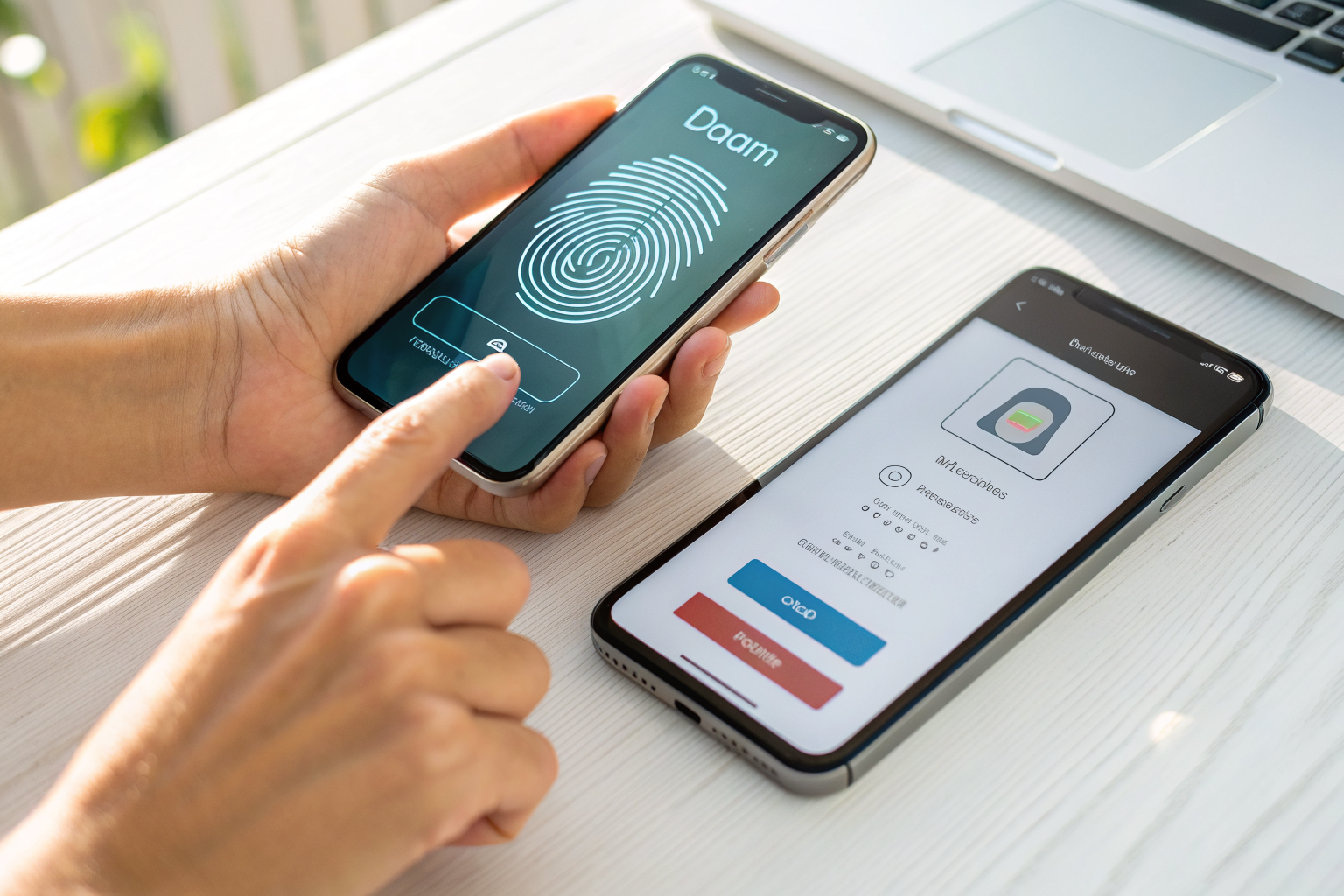
Anyone who’s tried booking train tickets during Tatkal hours on IRCTC or rushing to buy a local train ticket through UTS knows the frustration of fumbling with PINs when every second counts. The same stress applies to UPI payments, banking transactions, or accessing important government services through apps like Aadhaar. Biometric authentication through fingerprint scanners and Face ID technology has revolutionized how Indians interact with mobile applications, offering both lightning-fast access and enhanced security.
This comprehensive guide covers biometric login setup across India’s most essential apps, from railway booking platforms to banking and government services. You’ll learn the prerequisites, step-by-step setup processes, and troubleshooting techniques to ensure seamless biometric authentication on both Android and iOS devices.
What is Biometric Login and Why Use It in Indian Apps?
Biometric login uses unique physical characteristics like fingerprints or facial recognition to authenticate users instead of traditional PINs or passwords. In the Indian app ecosystem, this technology has become increasingly valuable due to the time-sensitive nature of services like Tatkal train bookings, instant UPI payments, and emergency government service access. The speed advantage is particularly crucial during peak booking windows when millions of users compete for limited resources.
The security benefits extend beyond convenience, offering encrypted authentication that’s virtually impossible to replicate or steal. Unlike PINs that can be observed or guessed, biometric data remains unique to each individual and is stored securely on the device’s dedicated security chip. This makes biometric authentication especially suitable for financial transactions and sensitive government services.
Modern Indian apps have embraced biometric login due to the country’s digital-first approach to services. From booking train tickets to accessing Aadhaar-linked benefits, the integration of biometric authentication has made these essential services more accessible while maintaining robust security standards.
Security Advantages Over Traditional PINs
Biometric authentication offers several compelling security advantages over traditional PIN-based systems, though users should understand both benefits and limitations.
- Unique identification: Fingerprints and facial features are unique to each individual, making unauthorized access nearly impossible compared to easily guessable PINs
- Encrypted local storage: Biometric data is stored in encrypted form on the device’s secure enclave, never transmitted to app servers or stored in the cloud
- Non-reusable authentication: Each biometric scan generates a unique encrypted token, preventing replay attacks even if data is intercepted
- Resistance to social engineering: Unlike PINs or passwords that can be shared or coerced, biometric data cannot be easily transferred or replicated
- Device dependency limitation: Biometric authentication only works on the registered device, which can be inconvenient if you need to access apps from multiple devices
- Physical access requirement: Injury, illness, or changes in biometric features can temporarily prevent access, making backup authentication methods essential
Popularity in India
The adoption of biometric login in India has grown exponentially, driven by government initiatives like Aadhaar and the increasing smartphone penetration. Major Indian applications including IRCTC Rail Connect, UTS, and various Aadhaar-linked services have integrated biometric authentication as a standard feature, recognizing the need for both security and convenience in India’s fast-paced digital environment.
Prerequisites for Biometric Setup
Before enabling biometric authentication in any Indian app, ensure your device and software meet the necessary requirements. The setup process varies between Android and iOS devices, with specific compatibility requirements for different biometric technologies.
- Enable device biometrics: Navigate to your phone’s security settings and set up fingerprint recognition (Android) or Face ID/Touch ID (iOS) with at least one registered biometric
- Update operating system: Ensure your device runs Android 6.0+ for fingerprint support or iOS 11+ for Face ID functionality, as older versions may lack proper biometric API support
- Download latest app versions: Update all relevant apps (IRCTC, UTS, banking apps) to their newest versions, as biometric features are often added in recent updates
- Check app permissions: Grant necessary permissions for biometric hardware access when prompted, usually found in Settings > Apps > [App Name] > Permissions
- Verify hardware functionality: Test your device’s biometric sensors by unlocking the phone to ensure sensors are clean and working properly
- Set up backup authentication: Configure fallback PIN or password options in case biometric authentication fails
- Clear app cache if needed: For apps that previously used PIN authentication, clearing cache may be necessary to enable biometric options
Device Compatibility Check
| Device Type | Supported Biometrics | Min OS Version |
|---|---|---|
| Android Smartphones | Fingerprint, Face Unlock | Android 6.0+ |
| iPhone (with Touch ID) | Touch ID Fingerprint | iOS 11+ |
| iPhone (with Face ID) | Face ID Recognition | iOS 11+ |
| iPad (newer models) | Face ID, Touch ID | iOS 11+ |
| Budget Android Devices | Basic Fingerprint | Android 7.0+ |
How to Enable Biometrics in IRCTC Rail Connect App
The IRCTC Rail Connect app offers biometric login to streamline the ticket booking process, particularly valuable during Tatkal booking windows. The setup process is straightforward once you’ve completed the initial login with your IRCTC credentials.
Step-by-Step Android Guide
Setting up biometric authentication in IRCTC Rail Connect requires accessing the app’s security settings after your initial login. The process is designed to maintain your existing login credentials while adding biometric convenience.
- Open IRCTC Rail Connect app: Launch the app and complete the standard login process using your username and password to access the main dashboard
- Navigate to More section: Tap the “More” option in the bottom navigation bar to access additional app settings and features
- Find Biometric Login option: Scroll through the More menu to locate “Biometric Login” or “Fingerprint Login” depending on your app version
- Toggle biometric authentication: Enable the biometric login toggle switch, which will prompt you to authenticate using your device’s fingerprint scanner
- Verify fingerprint setup: Place your registered finger on the sensor when prompted to link your biometric data with the IRCTC app
- Test the functionality: Log out of the app completely and attempt to log back in using fingerprint authentication to ensure the setup works correctly
- Configure backup options: Set up alternative login methods in case biometric authentication fails during critical booking situations
iOS Face ID Specifics
iPhone users with Face ID-enabled devices can set up facial recognition for IRCTC access by following similar steps but with iOS-specific authentication prompts. The app will request Face ID permissions through iOS’s secure authentication framework, ensuring your facial data remains protected within Apple’s Secure Enclave.
Setting Up Fingerprint in UTS on Mobile App
The UTS (Unreserved Ticket System) mobile app allows quick local train ticket purchases with biometric authentication, essential for daily commuters who need rapid access during peak hours. The setup process integrates with your existing UTS profile and payment methods.
- Access UTS profile settings: Open the UTS app, log in with your credentials, and navigate to the Profile section from the main menu
- Locate biometric options: Find the “Biometric Login” or “Fingerprint Authentication” toggle within your profile security settings
- Enable fingerprint authentication: Toggle the biometric option and authenticate with your registered fingerprint when the system prompts you
- Test quick booking access: Log out and attempt to access the ticket booking feature using only fingerprint authentication to verify setup
- Configure quick payment: Link biometric authentication with your preferred payment method for seamless ticket purchases
- Verify emergency access: Ensure backup login methods remain active for situations when biometric authentication may fail
Troubleshooting UTS Biometrics
| Issue | Solution |
|---|---|
| Fingerprint not recognized | Clean sensor with soft cloth, re-register fingerprint in device settings |
| App crashes during biometric setup | Clear app cache, restart device, update to latest app version |
| Biometric option not visible | Ensure device biometrics are enabled in phone settings first |
| Permission denied error | Check app permissions for biometric hardware access in settings |
| Slow fingerprint response | Remove and re-add fingerprint, ensure finger covers entire sensor area |
Biometric Login in Popular Indian Banking & UPI Apps
Indian banking and UPI applications have widely adopted biometric authentication to enhance transaction security while providing quick access to financial services. The setup process remains consistent across most banking apps, with minor variations in menu locations and terminology.
Most banking apps integrate biometric authentication at the app level rather than individual transaction approval, though some premium banking services offer per-transaction biometric confirmation for high-value transfers. The implementation typically follows Reserve Bank of India guidelines for digital banking security.
| App Name | Supported Biometrics | Setup Location | Notes |
|---|---|---|---|
| PhonePe | Fingerprint, Face ID | Profile > Settings > Security | App lock only, not transaction-level |
| Paytm | Fingerprint, Face ID | Profile > Privacy & Security | Optional payment confirmation |
| Google Pay | All device biometrics | Settings > Security | Uses Android/iOS system auth |
| SBI YONO | Fingerprint primary | Settings > Login Options | Requires initial MPIN setup |
| HDFC Bank MobileBanking | Touch ID, Fingerprint | Settings > Security Settings | Face ID support limited |
| ICICI iMobile Pay | Fingerprint, Face ID | More > Settings > Biometric | Quick balance check feature |
| Amazon Pay | All supported types | Amazon Account > Login & Security | Integrated with Amazon account |
Google Play Purchase Biometrics
Google Play Store offers biometric authentication for app purchases and in-app transactions, which extends to UPI apps and banking services downloaded from the Play Store. Enable this feature through Google Play settings under “Authentication” to require fingerprint or face unlock for any purchase, adding an extra security layer to financial apps.
UPI Apps Specific Steps
- Initial login completion: Complete full registration including mobile verification and bank account linking before attempting biometric setup
- Security settings access: Most UPI apps place biometric options under “Security,” “Privacy,” or “Login Settings” within the main profile menu
- Backup authentication maintenance: Keep PIN/password options active as fallback methods, especially important for UPI transaction limits and banking regulations
- Transaction-level controls: Some apps offer separate biometric authentication for payments versus app access – configure based on your security preferences
- Multi-device considerations: UPI biometric settings are device-specific and must be reconfigured when switching phones or using multiple devices
Aadhaar Face RD Authentication for Indian Services
The AadhaarFaceRD app serves as a crucial biometric authentication tool for various Indian government services, including Jeevan Pramaan life certificates, CoWin vaccination records, and pension services. This specialized app uses facial recognition technology to verify Aadhaar-linked identity for secure access to government benefits and services.
Unlike commercial app biometrics that store data locally, AadhaarFaceRD connects directly with UIDAI (Unique Identification Authority of India) servers to authenticate users against their official Aadhaar biometric records. This system ensures higher security standards required for government service access while maintaining user privacy through encrypted communication channels.
Download and Setup Process
- Download from official sources: Install AadhaarFaceRD only from Google Play Store or Apple App Store to ensure authentic UIDAI-approved version
- Grant camera permissions: Allow camera access when prompted, as facial recognition requires high-quality image capture for UIDAI verification
- Complete initial calibration: Follow the app’s facial positioning guide to establish optimal lighting and distance settings for consistent recognition
- Test with Aadhaar number: Verify functionality by entering your Aadhaar number and completing a test authentication to ensure proper UIDAI connectivity
- Configure service-specific settings: Set up integration with specific government services like Jeevan Pramaan or CoWin based on your requirements
- Regular calibration updates: Periodically recalibrate facial recognition settings to account for changes in appearance or environmental factors
iOS Face ID Setup for Indian Apps
iOS Face ID configuration for Indian apps requires proper system-level setup followed by individual app permissions. The process ensures that Face ID authentication meets Apple’s security standards while providing seamless access to Indian banking, government, and utility services.
| Step | Action | iOS Settings Path |
|---|---|---|
| 1 | Enable Face ID system-wide | Settings > Face ID & Passcode |
| 2 | Set up alternate appearance | Face ID & Passcode > Set Up Alternative |
| 3 | Enable for third-party apps | Face ID & Passcode > Other Apps |
| 4 | Configure App Store purchases | Face ID & Passcode > iTunes & App Store |
| 5 | Test individual app integration | Within each app’s security settings |
| 6 | Configure attention awareness | Face ID & Passcode > Require Attention |
Enabling Face ID in Third-Party Apps
After system-level Face ID setup, individual Indian apps require explicit permission to access biometric authentication. Navigate to Settings > Face ID & Passcode > Other Apps to see which applications have requested Face ID access. Enable permissions for trusted apps like banking, UPI, and government service applications.
Some Indian apps may not immediately appear in the Other Apps list until you attempt to enable biometric login within the app itself. This security feature ensures that only actively used apps gain access to your biometric data, maintaining privacy while providing convenience.
App Lock Solutions
- Screen Time restrictions: Use iOS built-in Screen Time features to add additional app-level security with Face ID requirements for sensitive applications
- Shortcuts automation: Create iOS Shortcuts that require Face ID authentication before opening specific Indian banking or government apps
- Third-party app locks: Consider apps like AppLock or similar solutions that provide Face ID protection for apps that don’t natively support biometric authentication
- Focus mode integration: Configure iOS Focus modes to require additional authentication when accessing financial apps during specific times or locations
Troubleshooting Common Biometric Issues
Biometric authentication issues can stem from hardware problems, software conflicts, or environmental factors. Understanding platform-specific solutions helps maintain reliable access to essential Indian apps, particularly during time-sensitive operations like Tatkal bookings or urgent financial transactions.
The troubleshooting approach differs between Android and iOS due to varying hardware implementations and security frameworks. Environmental factors like humidity, temperature, and lighting conditions can significantly impact biometric sensor performance.
Regular maintenance and proactive troubleshooting ensure consistent biometric authentication performance across all your essential Indian applications, preventing access issues during critical moments.
| Problem | Android Fix | iOS Fix |
|---|---|---|
| Sensor not responding | Clean with microfiber cloth, restart device | Reset Face ID, clean TrueDepth camera system |
| App crashes during authentication | Clear app cache, update to latest version | Force close app, restart iPhone |
| Slow recognition speed | Re-register fingerprints, check sensor placement | Reset Face ID with better lighting conditions |
| Permission denied errors | Check Settings > Apps > Permissions > Biometric | Settings > Face ID & Passcode > Other Apps |
| Inconsistent recognition | Add multiple finger angles during registration | Set up alternative appearance in Face ID settings |
| Hardware compatibility issues | Verify device model supports biometric APIs | Check iPhone model compatibility with Face ID/Touch ID |
| Environmental interference | Clean hands, avoid direct sunlight on sensor | Ensure proper lighting, remove face obstructions |
| Battery optimization conflicts | Disable battery optimization for biometric services | Enable Background App Refresh for authentication apps |
| Multiple user conflicts | Configure separate biometric profiles per user | Use alternate appearance feature for shared devices |
Advanced Fixes and Security Tips
- System updates priority: Keep your device’s operating system updated to the latest version, as biometric security patches and performance improvements are frequently included in OS updates
- Fallback PIN configuration: Always maintain active PIN or password alternatives for each app, especially critical services like banking and government apps where access cannot be delayed
- Sensor calibration routine: Perform monthly sensor cleaning and recalibration for optimal performance, particularly important in India’s varying climate conditions
- Multiple biometric registration: Register multiple fingerprints or set up alternate Face ID appearances to account for seasonal changes, injuries, or different usage scenarios
- App-specific testing: Regularly test biometric authentication in each critical app rather than relying on system-level functionality, as app-specific implementations may vary
- Privacy audit practices: Periodically review which apps have biometric access permissions and revoke access for unused applications to maintain security
- Emergency access planning: Ensure family members or trusted contacts know your fallback authentication methods for emergency access to critical services like banking or healthcare apps